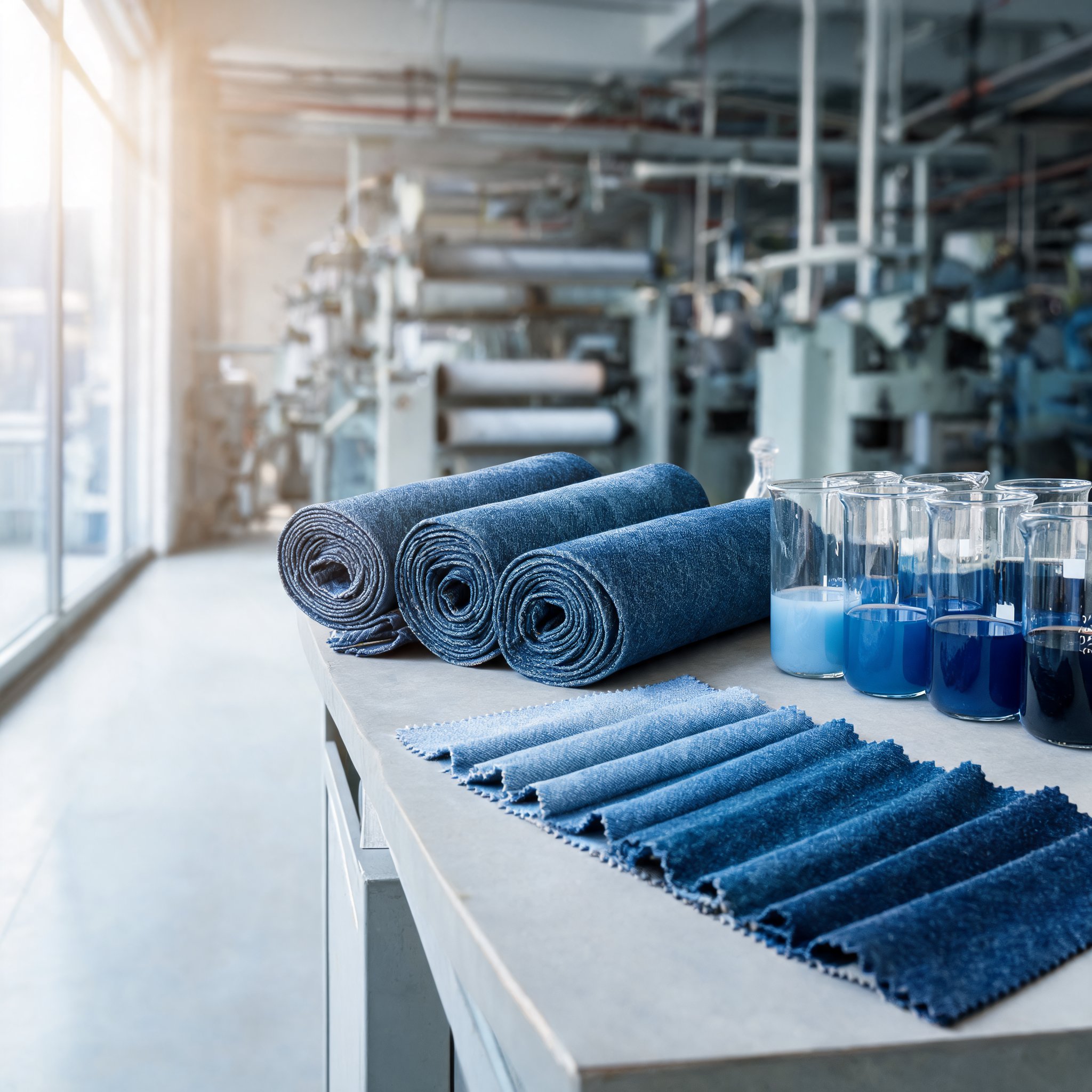
Archroma, a specialty chemicals group, and Prosperity Textile, a fabric manufacturer with production bases in China and Vietnam, have announced a partnership to drive denim innovation.
The two companies said they will work together to develop, evaluate and implement new approaches to improve denim aesthetics, durability and performance, with both sides describing the collaboration as resting on a shared commitment to sustainability.
What each partner brings
- Archroma contributes specialty chemicals expertise and process know-how to the joint development work.
- Prosperity Textile contributes fabric manufacturing capacity in China and Vietnam and, by its own account, around 25 years of experience in denim.
Jordi Calucho, Super Systems Denim Director at Archroma, said an innovation only matters once it reaches the market, which requires a partner able to help shape it, test it and run it at scale. He said the aim with Prosperity Textile is to give denim brands and consumers the look and lasting performance they want, made in more sustainable ways.
Stafford Lau, a director at Prosperity Textile, said the company's years in denim have taught it what is needed to turn a good idea into a great fabric. He said its smart factory infrastructure allows new ideas to be developed and tested quickly and the best of them to be moved into production, and he described the partnership as a chance to explore what is possible, from classic to creative.
The announcement did not specify a timeline, investment, target volumes, which technologies would be pursued, or how responsibilities would be divided between the two partners. Neither company quantified the sustainability or performance gains it expects from the work.
Both executives presented the arrangement as a way to connect chemical development with mill-scale production and market introduction, rather than as a single product launch.