Urban Logistics Exhibition has published the conference agenda for its 2027 edition, setting out a two-day programme built around the operational, commercial and infrastructure pressures that shape how goods move through cities.
The event is scheduled for 9–10 June 2027 at ExCeL London, where organisers intend to bring together logistics operators, retailers, fleet managers, technology providers, property specialists and public-sector stakeholders to examine how urban supply chains can become more efficient, resilient and sustainable.
Three theatres
The programme is divided across three theatres, each addressing a different part of the increasingly complex demands placed on city logistics, from rising delivery expectations and congestion to fleet electrification, restricted kerbside access, emissions regulation and the availability of suitable logistics space.
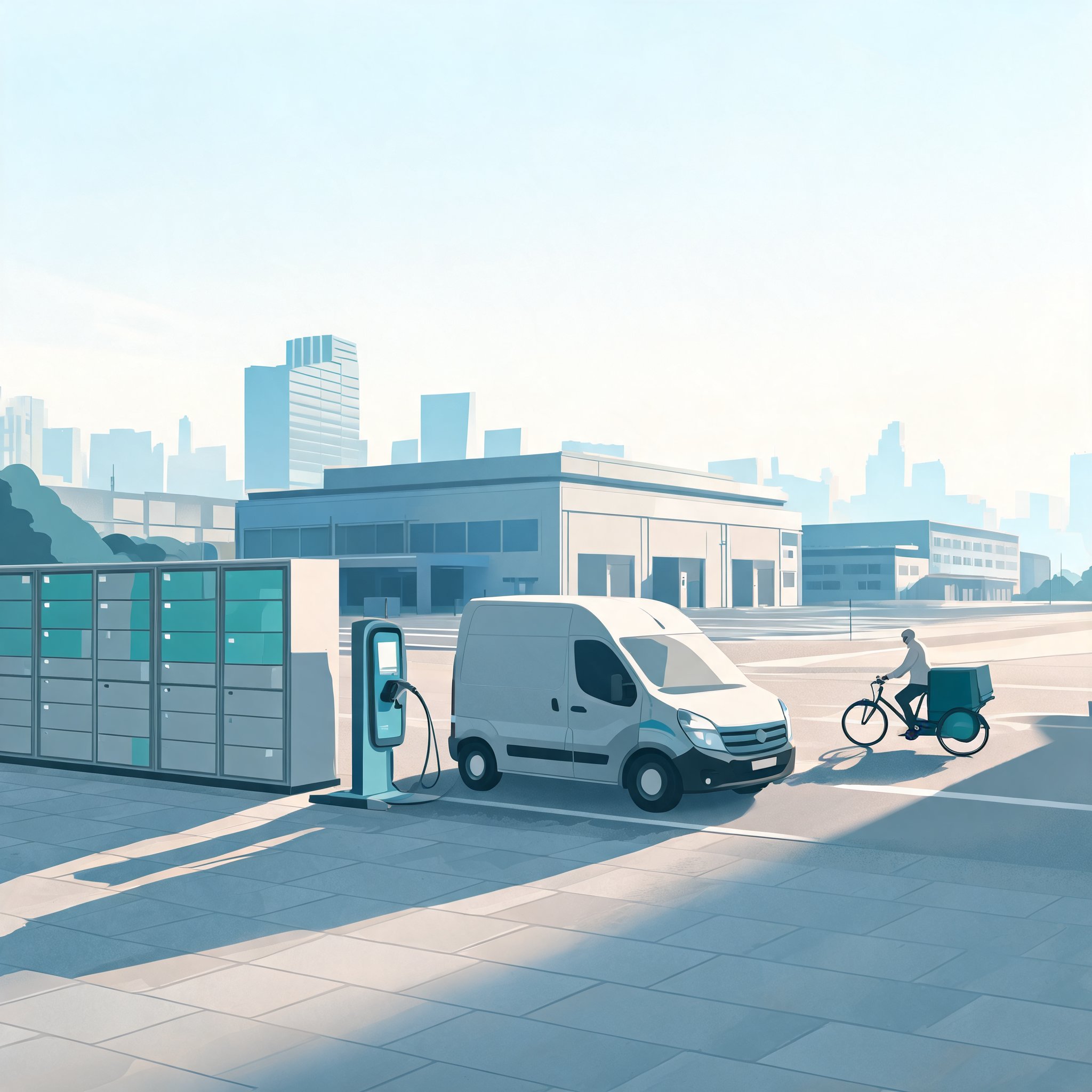
The Retail & Customer Delivery Theatre will look at how retailers, brands and logistics providers can improve the customer delivery experience while balancing cost, service performance and operational complexity. Topics include store-to-door fulfilment, reducing failed deliveries, returns, parcel lockers, out-of-home collection, marketplace fulfilment and peak planning.
The Urban Fleet & Infrastructure Theatre will focus on the practical decisions operators face as they move towards cleaner, more efficient urban transport. Sessions are set to cover fleet electrification, electric vehicle charging, total cost of ownership, vehicle selection, route optimisation, cargo bikes, telematics, safety and regulatory compliance.
The Public Sector, Property & City Logistics Theatre will explore how cities can create the conditions for reliable, commercially viable and sustainable goods movement. Its programme covers city logistics policy, local authority procurement, urban consolidation, logistics property and planning, freight partnerships, public–private initiatives, construction logistics and healthcare deliveries.
Exhibition and audience
Alongside the conference, the exhibition will give visitors a platform to discover the technologies, services and infrastructure that support urban goods movement. Exhibitors are expected to span fleet and transport, logistics technology, carriers and couriers, reverse logistics, charging, urban consolidation, property, parcel lockers and pick-up and drop-off networks.
The intended audience includes logistics and supply chain directors, transport and fleet managers, last-mile delivery leaders, operations directors, retailers, e-commerce businesses, public-sector organisations and procurement teams responsible for urban logistics services.
Awards showcase and wider programme
The show will also feature a Supply Chain Excellence Awards Showcase, highlighting award-winning and finalist projects alongside case studies that demonstrate innovation and measurable operational impact.
Urban Logistics runs as part of European Logistics Month, which brings together major logistics and supply chain events in London and Düsseldorf. Organisers say the agenda reflects the growing importance of urban logistics as businesses and cities respond to rising delivery demand, changing customer expectations, environmental targets and mounting pressure on urban infrastructure.
Organisers add that autonomous delivery and last-mile infrastructure will also be explored. By gathering the people responsible for delivering, managing and planning city supply chains, the exhibition aims to provide a forum for sharing practical solutions and examining the future of urban freight.