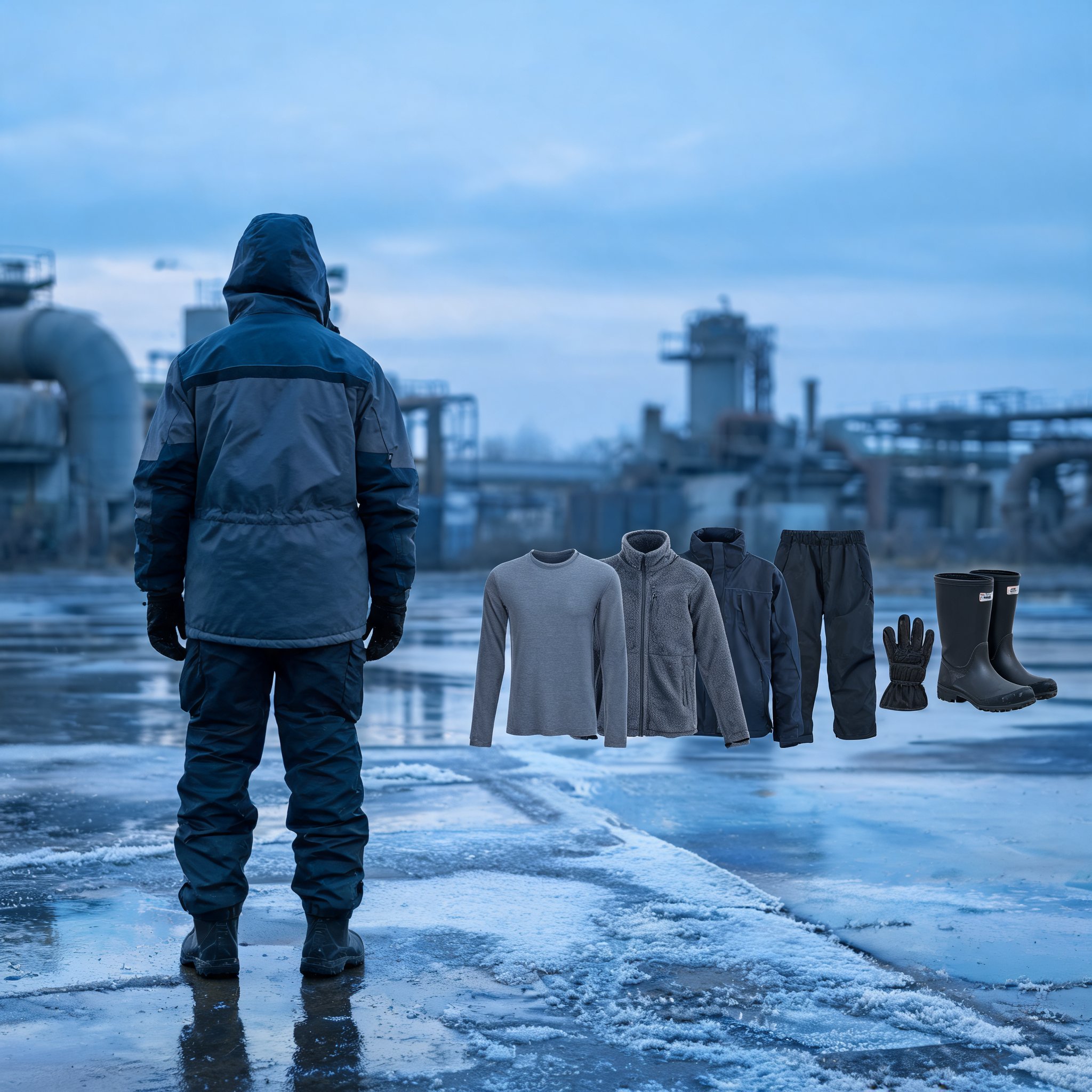
Winter outdoor work becomes riskier when personal protective equipment is poorly selected or combined, according to CWS Workwear International GmbH. In a current guide, the Dreieich-based workwear company identifies five typical protection gaps. It says these gaps often emerge not from a single faulty item but from the way clothing layers interact.
The hazard profile at many outdoor workplaces shifts with shorter days, wet conditions and frost, yet PPE is often left unchanged. CWS warns that certified components are not enough on their own. A jacket, trousers, gloves or other items may each meet their individual requirements, but the combination as worn may fail to satisfy the relevant standards.
The guide therefore frames winter PPE as a system. Selection and combination must be reviewed together when weather or working conditions change. The company's five-gap warning points to the risk of assuming that certified individual products automatically deliver adequate protection in cold, wet and darker working conditions.
For workplaces, the practical implication is to check the complete PPE assembly rather than only the labels on separate garments. CWS says the focus should be on how layers work together in winter use. The guide does not present the five gaps as isolated product faults; it treats them as protection gaps created by selection and combination decisions.